Table Of Content

It can begin early in life, but is much more common after the age of 50, when more than 50% of men will experience some kind of hair loss. Minimal downtime, if any, is needed, while Zeichner adds, "I personally recommend a warm shower, as the hot temperature will enhance blood flow and circulation throughout the scalp," he says. This means going a day (or two) without your typical hair maintenance (coloring, processing, blow-drying, etc.).
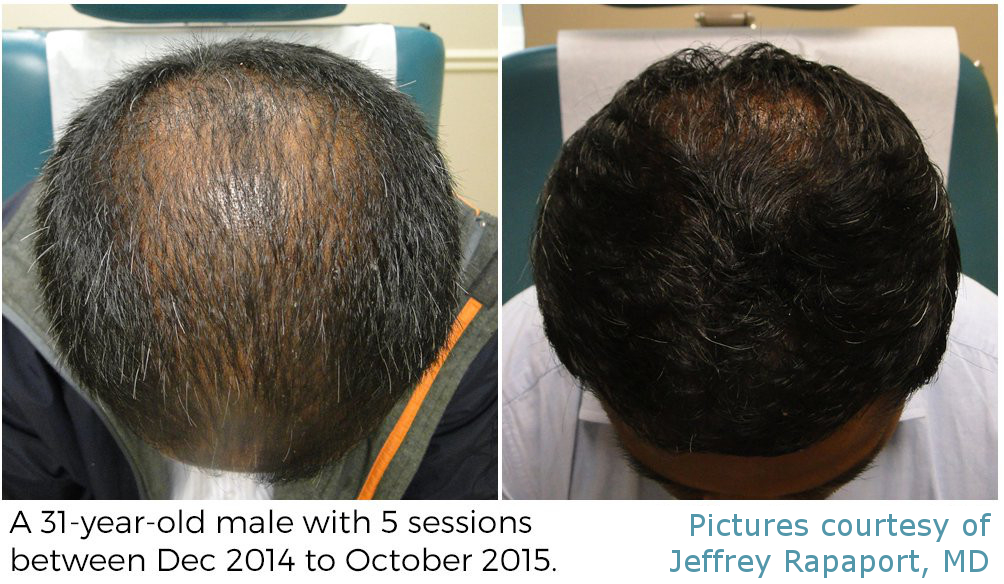
© 2024 Harvard Health Publishing® of The President and Fellows of Harvard College
By now you're probably familiar with, or at least have heard of the "vampire facial," a skin treatment that essentially uses your own blood to help facilitate a glowing, youthful complexion. What you probably haven't heard of is that there's a similar treatment for hair loss, and yes, it requires your blood, too. PRP injections may be able to treat a range of musculoskeletal injuries and conditions. PRP therapy is a medical treatment that could be part of your hair loss treatment plan. Other options may include medications like Rogaine and Propecia, along with hair transplant surgery.
Post-surgical Healing
Talk to a healthcare provider, such as a dermatologist, to discuss PRP therapy and other hair loss treatments. They will discuss your options and help you find the proper treatment for hair loss that meets your budget and needs. So far, some research shows that it speeds healing after injury or surgery for certain conditions. Along with helping injured tissue heal, some studies show PRP injections curb pain and boost mobility for people with rotator cuff injuries and relieve symptoms in arthritic shoulders.
Do PRP Injections Work?
This article discusses what to expect during PRP for hair loss, possible results, side effects, and how much it costs. After the shot, you shouldn’t wash the area that was treated for 48 hours. You might notice some soreness and bruising in the area that received injections. Compared to placebo, all these three treatments were significantly more effective, but there was no statistically significant difference between the three treatments [20]. Informed consent was obtained from all included patients for the use of survey data. Only photographs of patients who consented to the use of photographs were included.
Researchers theorized that if they could extract concentrated platelets and inject them into damaged areas of the body, they could accelerate healing. To understand how PRP works, it is important to be aware of the role that platelets play in healing. After four PRP treatments, they had about 30% more growth in thinning areas. Treatments are typically performed once a month for the first three to four months, and then every three to six months thereafter, depending on the individual patient's response and results. Following this protocol, anticipated results can first be seen within two to three months, says Sadick.
Health
Platelet-rich plasma (PRP) as a treatment for male pattern hair loss was investigated in a randomized, placebo-controlled study in which 20 men received PRP on half of their scalp and placebo on the other. Patients were followed for 2 years; study endpoints were hair regrowth, hair dystrophy as measured by dermoscopy, burning or itching sensation, and cell proliferation as measured by Ki-67 evaluation. At the end of three treatment cycles, clinical improvement was seen in several parameters. Four of 20 patients experience continued hair loss and required retreatment.
What is PRP?
Platelet-rich plasma effective for female pattern hair loss - Medical Xpress
Platelet-rich plasma effective for female pattern hair loss.
Posted: Thu, 18 May 2017 07:00:00 GMT [source]
Early research shows it might be effective in certain cases of low back pain. Platelet-rich plasma (PRP) injections are a treatment used to help heal an injury. These shots, which are based on your own blood, are being used more to treat sports injuries and to help wounds heal after surgery. Some doctors use it as a cosmetic procedure to target signs of aging, such as wrinkles. The results of PRP will vary from individual to individual, and PRP does not work for everyone.
What is a PRP injection?
I Got PRP Injections For Hair Loss — and They Actually Worked - POPSUGAR United Kingdom
I Got PRP Injections For Hair Loss — and They Actually Worked.
Posted: Wed, 28 Sep 2022 07:00:00 GMT [source]
Studies show that the increased concentration of growth factors in platelet-rich plasma may stimulate or speed up the healing process, shortening healing time for injuries, decreasing pain and even encouraging hair growth. The beneficial effects of PRP therapy for hair regrowth may vary for each person. In a 2015 study of 20 people, researchers found that only 4 participants reported hair loss 12 months after their last treatment. Antiapoptotic effects of activated PRP have been suggested as one of the major contributing factors stimulating hair growth [2, 24].
A self-drawn questionnaire was used to assess the satisfaction and clinical results from the patient's and the clinician's perspectives. This study explores the psychological impact of platelet-rich plasma (PRP) treatment for hair loss. PRP, an autologous plasma enriched with platelets, has gained recognition in aesthetic and regenerative medicine for its potential to facilitate tissue healing and regeneration through the release of growth factors. However, concerns arise regarding the lack of standardized protocols for PRP preparation and characterization, including platelet counts and active substance concentrations.
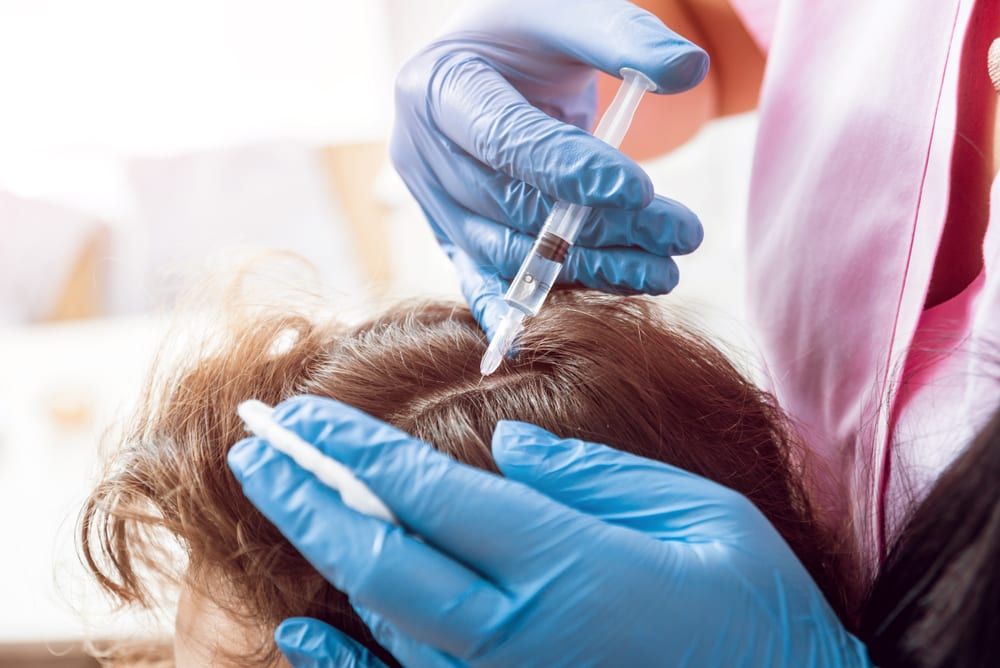
Initially used to heal joints, PRP has been gaining traction over the past few years as an innovative way to encourage hair growth. At present, anyone with mild-to-moderate hair loss who is interested in PRP should ask a doctor whether they are likely to benefit from the treatment. The entire process may take about 1 hour, and several sessions may be necessary.
After receiving PRP treatment, a person can usually return to their regular activities without any limitations. However, the team noted that because various researchers and clinics use different preparations, session intervals, and injection techniques to administer PRP, its effects can vary. Because the treatment is cosmetic, insurance does not cover the procedure, Dr. Khetarpal says.
Clinical studies have shown an overall positive response to the use of PRP in patients who suffer from androgenic alopecia. The effects of PRP on progression of hair loss, hair density, and thickness were demonstrated through this clinical trial. Use of PRP in conjunction with other therapies, such as follicular unit extraction (FUE), is also described. With minimal risk, very few contraindications, and convenience of treatment, PRP therapy has become increasingly popular compared to other methods for treating hair loss. Growth factors, in a sense, play the role of messengers, signaling skin cells to function. In fact, they've been used in medicine to treat a range of health issues, including arthritis, signs of aging, etc.
Another 2019 systematic review, which featured in Dermatologic Surgery, examined the findings of 19 studies investigating PRP as a treatment for hair loss. According to the authors of the review, most studies reported that PRP treatments led to hair regrowth in those with androgenetic alopecia and alopecia areata. Over a period of 12 months, we treated a total of 56 patients for androgenetic alopecia with PRP. All of these patients were included in this study; 15 cc of whole blood was spun in an ACP double syringe (Arthrex Inc., Naples, Forida) for five minutes.


No comments:
Post a Comment